

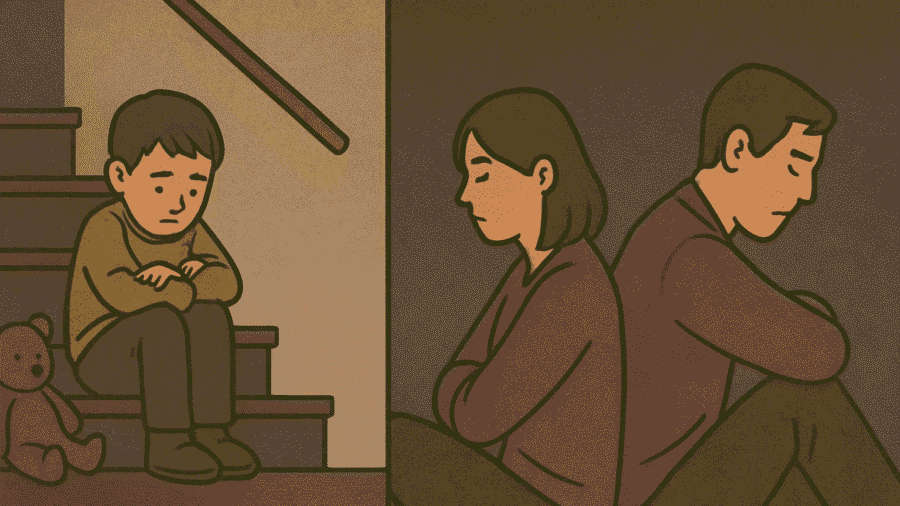
When we were small, we do not simply learn to walk and talk, we learn how to trust, feel safe and be loved.
But what happens when love came with fear?
If comfort was never seen or felt and safety was an unpredictable phenomenon at home?
And when the people who were supposed to protect us became the source of confusion, criticism or neglect?
These experiences create wounds that leave us with scars that stay with us not for a week or a season, but sometimes for a lifetime. Not the scares from scraped knees or bruised elbows that heal with medicine and warm water, but the kind that settle quietly between silence and closeness.
They do not stay locked in the past. They quietly work behind the scenes to shape how we respond to intimacy, how we trust, and how we protect ourselves, even in healthy relationships.
In this article, we are going to explore how childhood trauma can impact relationships in adulthood, how the patterns form and most of all, how they can begin to heal.
What Is Childhood Trauma?
Childhood trauma happens when something very scary, hurtful, or overwhelming happens to a child during the formative years and they do not have the support or tools to make sense of it or cope with it. It could be:
- Being constantly yelled at, beaten or hurt by someone they love
- Being unloved, neglected or abandoned by people they love
- Being sexually abused
- Witnessing domestic violence or growing up with constant violence at home
- Living with someone who struggles with addiction or mental health issues
- Family instability, including the moving back and forth, poverty and inconsistent caregiving
These experiences have a profound effect on the way a child sees the world and themselves. Instead of feeling safe and loved, the child learns to focus on surviving. And even though the events may have passed, the effects linger quietly, shaping the way they perceive, feel and relate to others in adulthood.
You may find them pulling away or retreating when they sense someone getting too close to them or clinging on too tightly afraid of being abandoned. Or may feel overwhelmed by intimacy, suspicious of affection, or numb when you should feel connection.
The Unseen Link Between Childhood Trauma and Adult Love
“If you were taught love was painful, you might seek pain where love should live.”
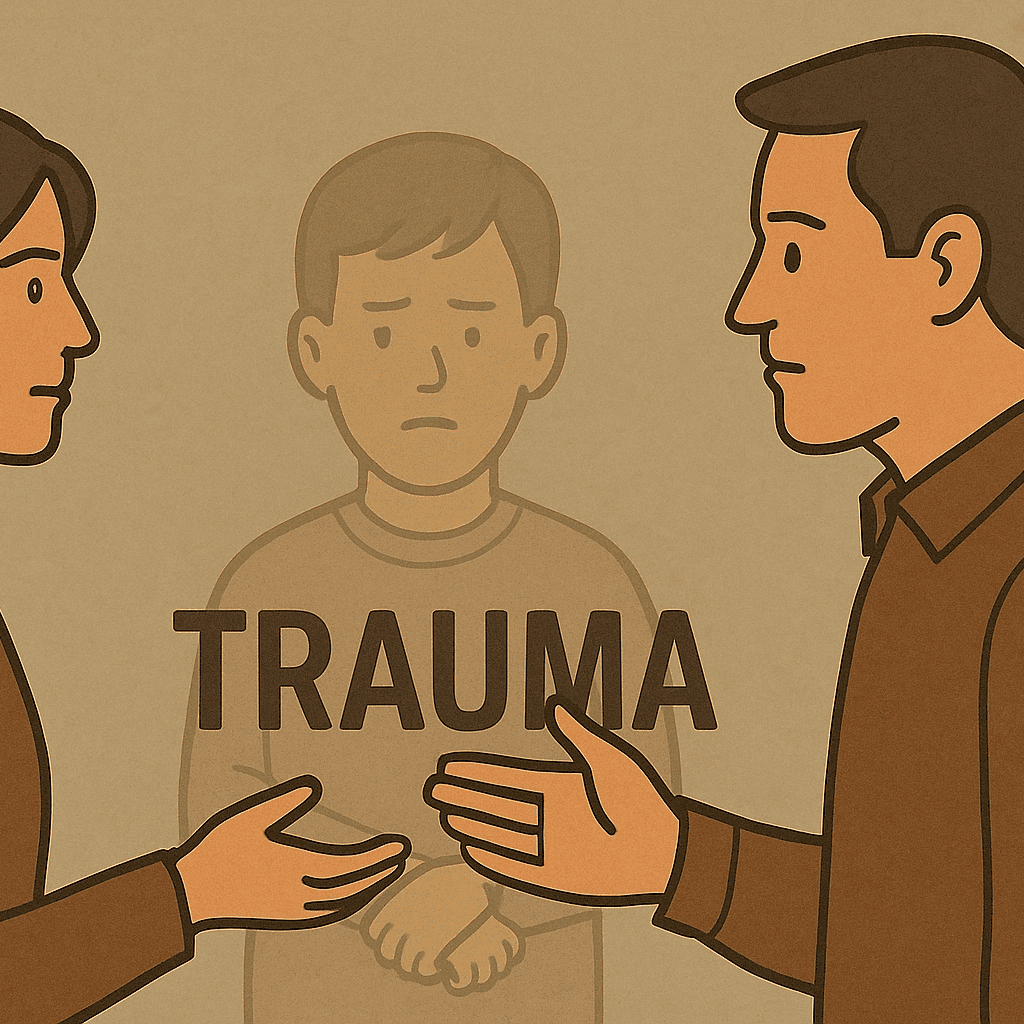
Trauma has a way of getting to define what feels safe to us. According to a study by Quan et al., (2025) on PubMed, future adult relationship satisfaction is both directly and indirectly predicted by child trauma through insecurity in attachment. This means that a child that was betrayed or neglected in childhood perceives intimacy as danger even when it feels secure.
Trauma does not always show up as chaos. Sometimes it appears as:
- Avoiding intimacy because it feels unsafe
- Becoming overly dependent or “clingy” out of fear of being abandoned
- Constant misunderstanding or feeling emotionally starved
- Difficulty expressing needs or setting boundaries
- Sabotaging relationships when they become “too good”
These are coping mechanisms and survival strategies used in childhood where love was unreliable or unsafe.
The Role of Attachment Styles
Early interactions with caregivers shape our “Attachment Styles“. These are invisible blueprint of how we expect others to treat us. For example, a child who was comforted learns that others are dependable. A child who was dismissed learns to shut down their needs.
In adulthood, this shows up in our romantic relationships. According to The Role of Attachment Styles in Romantic Relationships, these attachment styles include:
- Secure: Comfortable with intimacy and autonomy
- Anxious: Craves closeness but fears abandonment
- Avoidant: Prefers emotional distance and self-reliance
- Disorganised: A confusing mix of approach and fear
Individuals with childhood trauma often fall into the anxious, avoidant or disorganised styles, struggling to trust, regulate emotions or feel worthy of love.
When Trauma Becomes a Pattern in Relationships
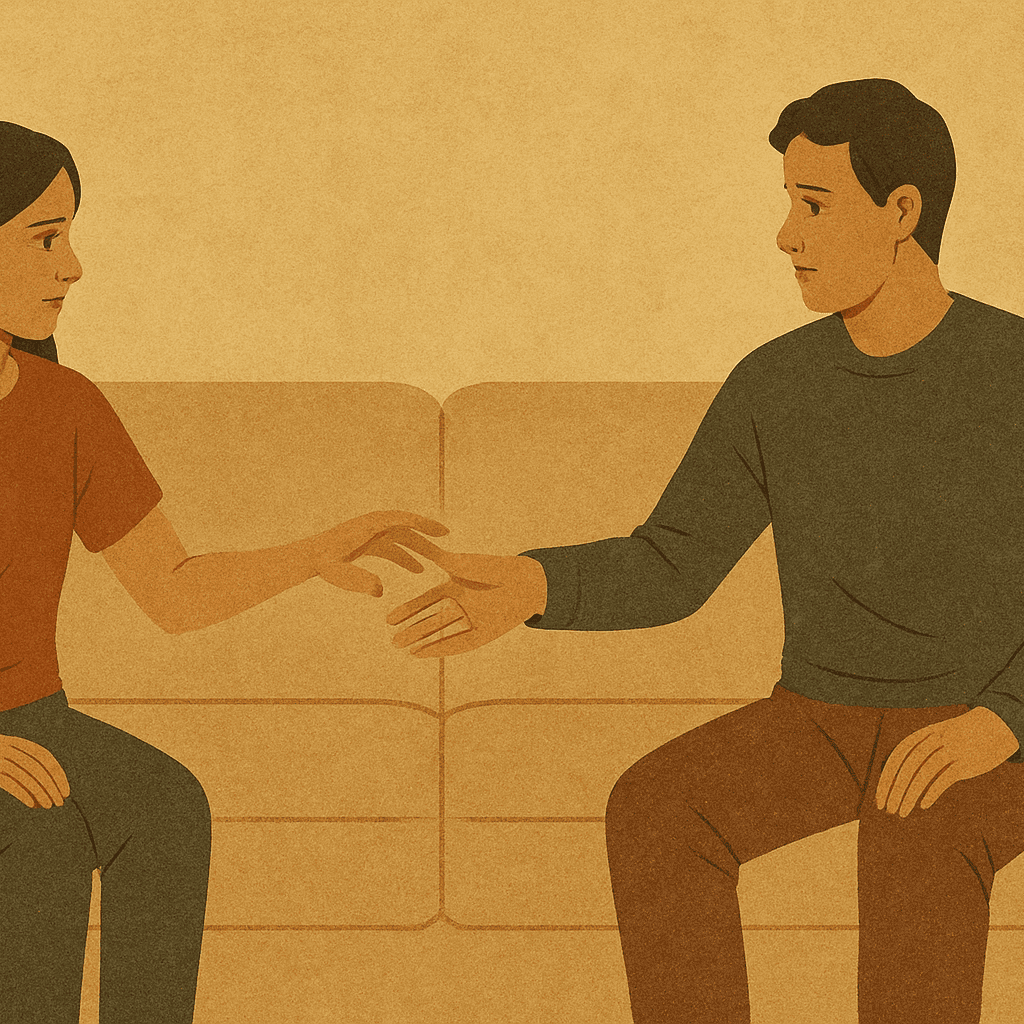
Relationships are mirrors. They reflect not only who we are, but what we believe we deserve.
A meta-analysis by Vaillancourt-Morel et al., (2024) concluded that one partner’s childhood maltreatment can lower satisfaction in the other partner. This indicates just how trauma affects can silently affect both individuals in a relationship without them even realising it.
This is the reason why couples might feel like they are stuck in cycles:
- One partner shuts down emotionally, while the other clings
- Conflict escalates quickly, even over minor issues
- Love is given but never seem like “it is enough”
- The fear of abandonment drives people to leave first
Emotional Dysregulation and Relational Turbulence
One of the most common residues of trauma is emotional dysregulation. It takes the form of being unable to deal with strong feelings. Children who experienced fear, rejection or confusion often grow up as adults who feel too much or too little.
As discussed in Understanding Emotional Dysregulation in Children, emotional dysregulation in adults can lead to:
- Overreactions in arguments
- Sudden withdrawal or stonewalling
- Difficulty naming or understanding feelings
- Trouble calming down once upset
Healing In The Presence of Care
Healing from childhood trauma is not about forgetting what happened in the past. But learning that the present can be different. That is learning less about survival and more about connection.
Here are small but transformative steps to begin healing in relationships:
- Therapy: Trauma-informed therapy (like EMDR or somatic therapy) can help rewire patterns
- Self-awareness: Learn your triggers, patterns and emotional needs
- Safe relationships: Develop relationships with people who are predictable, empathetic and communicative.
- Boundaries: Learn to say what hurts, what helps and what you need.
- Gentle reflection: Write about your earliest beliefs around love, trust and safety
Healing is rarely linear. It is more like tending to a garden, it is slow, tender and repetitive. But with each season, something new can grow.
Sometimes too, childhood trauma stems not from strangers but from the homes we grow up in.
When Sibling Rivalry Becomes a Mental Health Concern addresses how unresolved sibling dynamics can contribute to emotional insecurity and a lifetime of comparisons. These also determine how we see ourselves and relate with others.
The Past Is Not the Whole Story
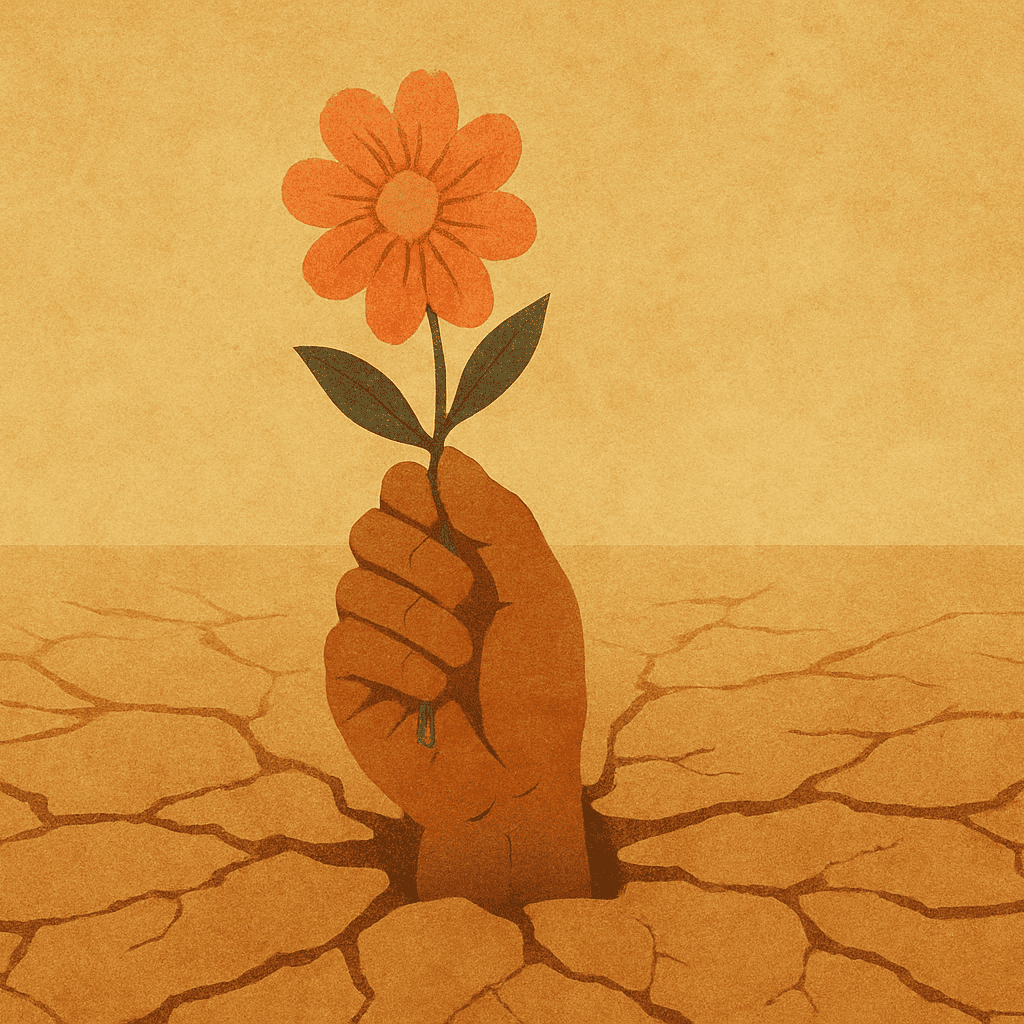
If love feels like fear or closeness feels like danger, your story deserves deeper understanding.
Your past can shape you, but it does not have to define how you love or where bad memories meet with care.
Let love become a place where you are allowed to exhale. Let healing be the hand you learn to hold, gently and over time.
REFERENCES
Bedjabeng, C. A. (2025, July 23). The role of attachment styles in romantic relationships. PsycheShare. Retrieved August 13, 2025, from https://psycheshare.com/the-role-of-attachment-styles-in-romantic-relationships/
Bedjabeng, C. A. (2025, July 7). When sibling rivalry becomes a mental health concern. PsycheShare. Retrieved August 13, 2025, from https://psycheshare.com/when-sibling-rivalry-becomes-a-mental-health-concern/
PsycheShare. (2025, June 12). Understanding emotional dysregulation in children. Retrieved August 13, 2025, from https://psycheshare.com/understanding-emotional-dysregulation-in-children/
Quan, L., Zhang, K., & Chen, H. (2025). The relationship between childhood trauma and romantic relationship satisfaction: the role of attachment and social support. Frontiers in Psychiatry, 15, 1519699.
Vaillancourt-Morel, M. P., Bussieres, E. L., Nolin, M. C., & Daspe, M. E. (2024). Partner effects of childhood maltreatment: A systematic review and meta-analysis. Trauma, Violence, & Abuse, 25(2), 1150-1167.
Add a Comment