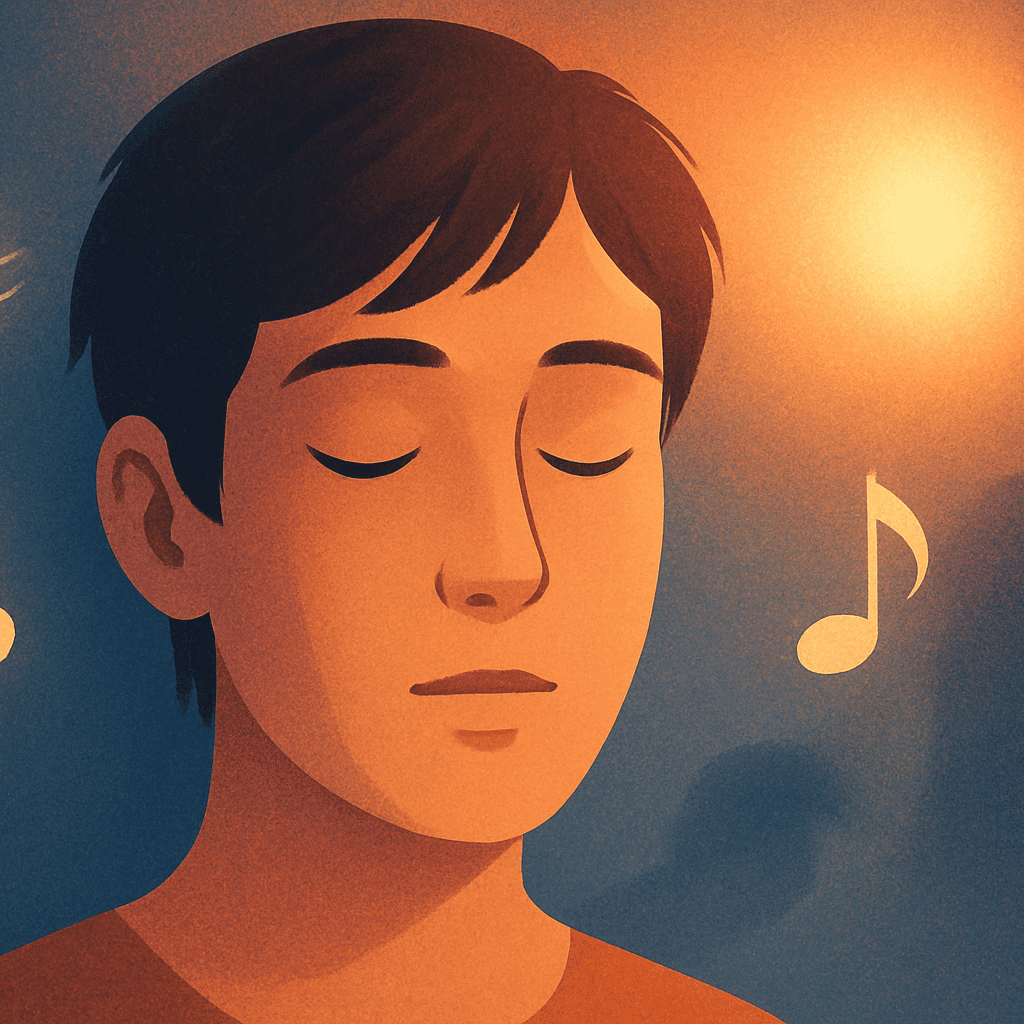
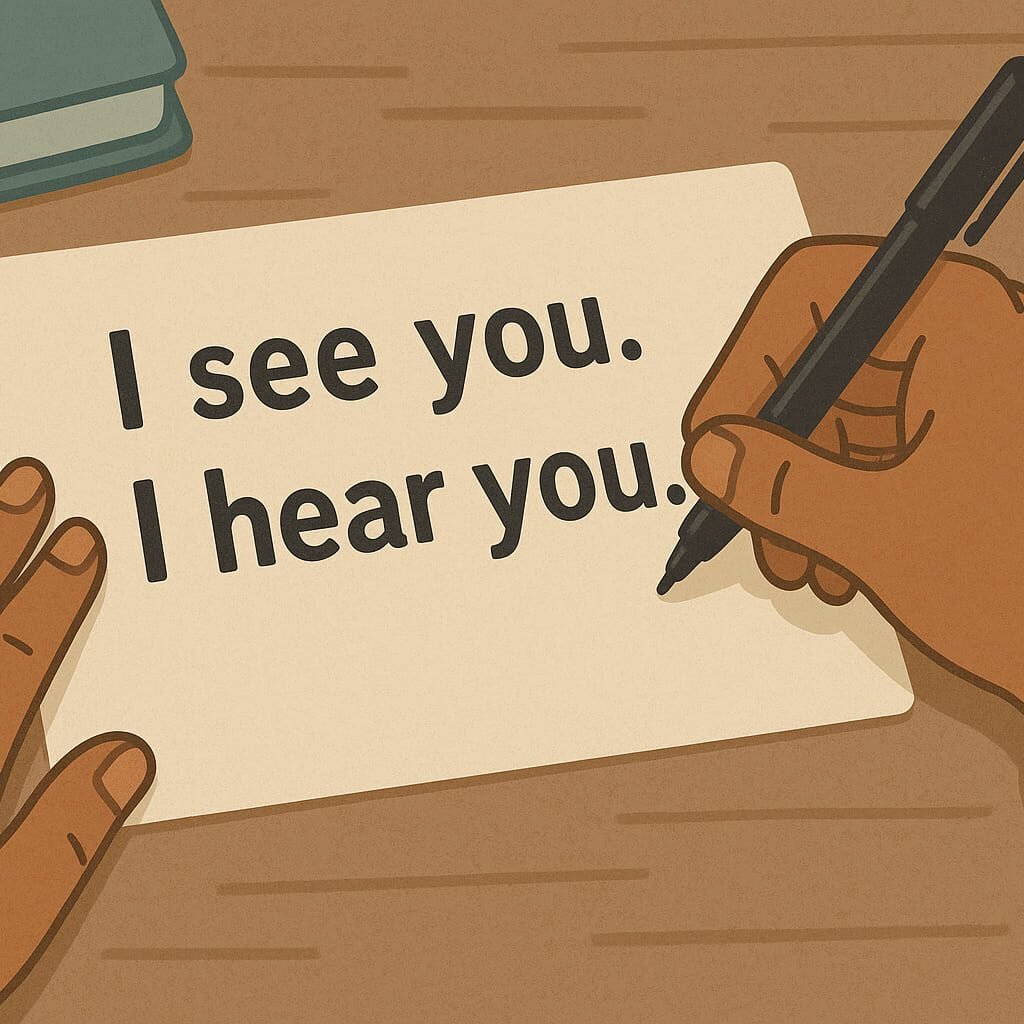
In a world full of voices clamoring to be heard, the greatest gift we can offer yourself is silence and being presence. Not the silence that holds back, but the silence that welcomes. The silence that makes space. The silence that softly says, “I hear you.”
In many relationships, people search for the right thing to say, but most often, the most powerful gesture is simply to listen with the full weight of our attention.
Listening in relationships is the water to a plant, quiet, constant and life-sustaining. Yet, it remains one of the most underrated and overlooked relational skills. Why?
Because real listening is hard. It requires us to pause our assumptions, ego and instinct to fix. But when we do, the results are transformative.
The Quiet Power of Deep Listening
Listening in relationships means tuning in with empathy, curiosity and compassion. It is about making the other person feel seen and safe and not about waiting for your turn to speak.
The difference between hearing and listening is that hearing is the passive reception of sound, while listening is the active process of paying attention to and understanding sound.
According to a meta-analysis led by Itzchakov and Reis (2023), high-quality listening leads to deeper relational intimacy, enhances mutual trust, and reduces conflict escalation. The emotional impact of feeling heard cannot be overstated, it creates intimacy, builds respect and affirms identity.
Even in emotionally charged conversations, research from Psychology Today by Gardenswartz (2024) shows that active listening reduces defensiveness and results in greater relationship satisfaction even when resolving conflicts.
Why Listening Is Often Overlooked
Listening is quiet. It does not demand the spotlight. In a culture that values performance over presence, listening gets buried under advice-giving, distraction and multitasking. We lose sight of the fact that most of the time what people need most is to be listen to and not fixed.
Some reasons why listening is often neglected:
People confuse talking with connecting
Many fear silence or vulnerability
Busy lives lead to fragmented attention
We overestimate our ability to listen well
The article “The Healing Power of Listening Without Judgement” reminds us that healing starts not with telling someone what to do, but with showing up. Listening without judgment enables others to be emotionally held.
Listening Is a Relationship Skill, Not a Trait
The best part? Active listening is not a personality trait. It is a learnable skill. Just as a person can learn to cook, dance, or write, they can also learn to listen.
A study by Walker et al., (2024) study found that active listening is strongly associated with emotional closeness in romantic and familial relationships. It is not what you say, it is how you listen.
Here are a few signs of a strong listener:
Maintains eye contact without interruption
Uses open body language and facial expressions
Reflects back what the speaker says
Asks thoughtful follow-up questions
Validates feelings without offering unsolicited advice
The Science of Why Listening Heals
When we feel listen to, our brain lights up in ways that promote emotional regulation, safety and trust. According to an article by Hayakawa and Miyahara (2025), listening inspires empathy, which leads to perspective-taking, lower defensiveness and greater mutual understanding.
Additionally, Tanon‑Olsson (2025) on 6 Seconds Emotional Intelligence explains that emotionally intelligent listening strengthens resilience in relationships and defuses tension in conflict.
Listening as a Daily Ritual of Care
You do not need grand gestures to show love, you need presence. You can turn listening into a daily ritual that says, “You matter. I am here.”
Practice these habits of daily life:
Pause before responding – Reflect on what the other person is really saying.
Listen without needing to solve – Empathy first, advice later (if at all).
Be curious – Ask open-ended questions like “What was that like for you?”
Validate emotion – Phrases like “That sounds painful” go a long way.
Protect listening time – Turn off distractions and listen with your full attention.
These small habits when done consistently, create relational safety. As the article, “How Shared Experiences Build Stronger Bonds” suggests that meaningful connection is not always built on events, but on emotional presence during those events.
When You Feel Unheard
It hurts, even disorienting, when the person you care about does not listen. Feeling unseen erodes connection over time. If this is your experience, start by modeling the kind of listening you need. When the time feels right, gently express:
“When I share something vulnerable, it helps me feel close to you if you are fully present.”
Listening Is How Love Feels
In the orchestra of relationships, listening is the gentle beat that holds the melody together. It is the pause that allows others to breathe, the silence that carries trust and the stillness where love grows.
While it may not be loud, listening in relationships is one of the most powerful forms of emotional presence we can offer. It tells people in silence: You are safe. You matter. I am with you.
Hayakawa, S., & Miyahara, K. (2025). Empathy through Listening. Journal of the American Philosophical Association, 11(2), 287-302.
Itzchakov, G., & Reis, H. T. (2023). Listening and perceived responsiveness: Unveiling the significance and exploring crucial research endeavors. Current opinion in psychology, 53, 101662.
Walker, S. A., Pinkus, R. T., Olderbak, S., & MacCann, C. (2024). People with higher relationship satisfaction use more humor, valuing, and receptive listening to regulate their partners’ emotions. Current Psychology, 43(3), 2348-2356.




Add a Comment