

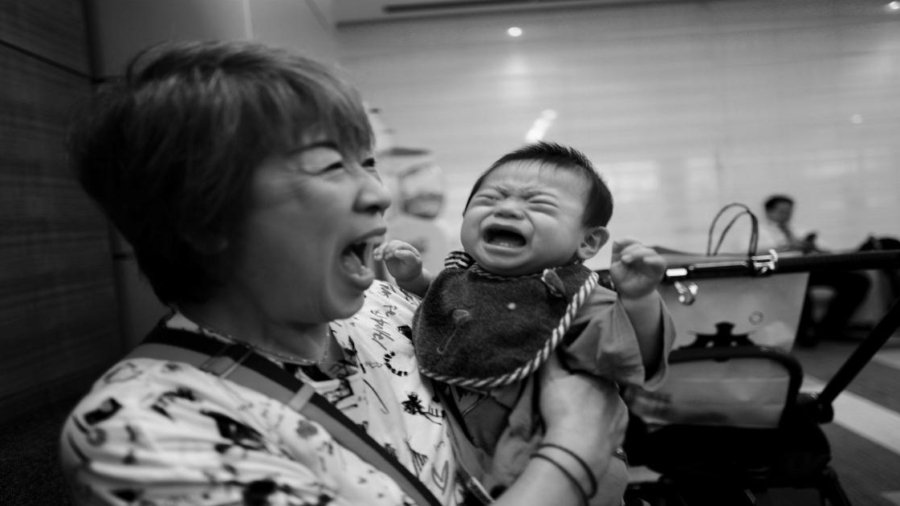
They mean well. The parent who rushes to fix a forgotten lunch. The one who emails the teacher over a B+. The mom who solves every peer conflict before the child speaks up. These parents are not unloving. They are deeply, intensely loving. But in their desire to protect, they may be causing unseen harm.
This is helicopter parenting: a form of overparenting marked by excessive involvement in a child’s life, academically, socially and emotionally. And while it may feel like support, research shows it often leads to anxiety, low self-confidence and poor coping skills.
Let us explore the psychology behind helicopter parenting, why it happens and how to foster independence instead of interference.
What Is Helicopter Parenting?
Helicopter parenting refers to a style of overinvolved parenting where adults closely monitor and manage nearly every aspect of a child’s life. These parents often:
- Intervene quickly in social or academic problems
- Make decisions for their children without input
- Prioritise safety and success over autonomy
- Struggle to allow their child to experience discomfort or failure
Although it often comes from love or fear, the long-term effects are more controlling than supportive.
According to a McCoy (2025), helicopter parenting is strongly associated with lower self-efficacy, difficulty regulating emotions and higher internalising behaviours like anxiety and depression especially in adolescents and young adults.
The Psychology Behind Helicopter Parenting
Most helicopter parents are just trying to protect their children. This parenting style stems from:
- Anxiety about the child’s safety or success
- Fear of failure both for the child and themselves
- A desire to maintain emotional closeness
- A belief that good parenting means constant involvement
However, this pattern can create a child who depends on others for decision-making, lacks confidence in their abilities and avoids risk or failure key ingredients for psychological resilience.
Vigdal and Brønnick (2022) explains that helicopter parenting undermines the child’s basic psychological needs which are autonomy, competence and relatedness as outlined in self-determination theory. When these needs are blocked, children are more likely to experience anxiety and depressive symptoms.
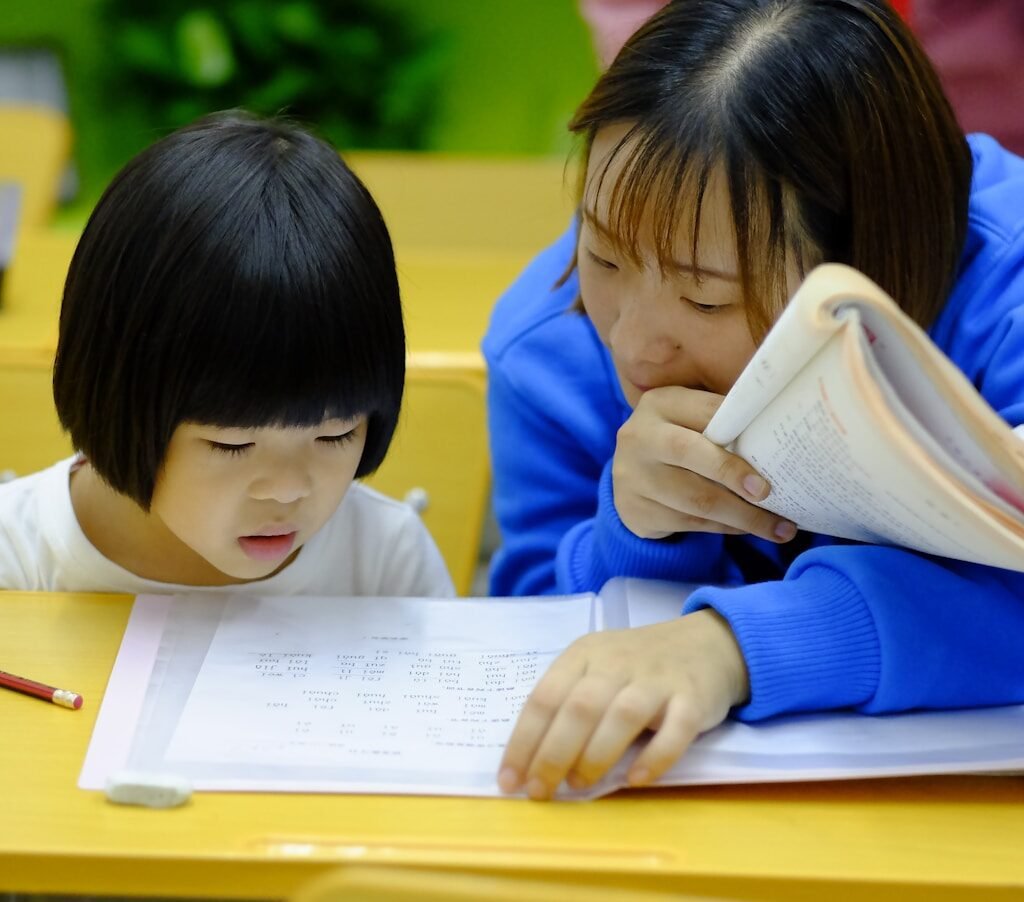
Signs You Might Be Helicopter Parenting
Some signs are subtle, but others are clear red flags. Consider the following:
- You often solve problems before your child has a chance to try.
- You find it hard to watch your child struggle even with little things.
- You speak for your child in social situations.
- You track their academic performance obsessively.
- You regularly step in during peer conflicts.
- You feel responsible for preventing every mistake.
If these patterns feel familiar, it might be time to pause and reassess. Awareness is the first step toward positive change.
The Hidden Harms of Helicopter Parenting
Helicopter parenting is not always dramatic. Sometimes it is quiet. It is the hand that fixes the puzzle too soon. The voice that interrupts a child’s frustration before learning can begin.
But research has shown clear consequences:
1. Increased Anxiety and Depression
According to a systematic review by Vigdal and Brønnick (2022), helicopter parenting significantly correlates with higher levels of anxiety and depression, especially in teens and college-aged students. Without learning to cope independently, children grow up lacking emotional tools for stress.
For support on managing these patterns, our post Calming Techniques for Anxious Children offers practical, psychologist-approved methods that reduce stress and promote emotional regulation.
2. Poor Problem-Solving and Decision-Making
When parents make all the choices, children miss out on valuable trial-and-error learning. A PubMed review by La Rosa et al. (2025) found that helicopter-parented college students show significantly lower self-determination and resilience under pressure, resulting in decreased academic adjustment and coping abilities.
3. Low Self-Efficacy
Self-efficacy (the belief that you can handle life’s challenges) is built through doing, not watching. Overhelping robs children of the self-confidence that grows from navigating struggles independently.

How to Break the Helicopter Habit with Empathy
Letting go of overparenting is not about becoming hands-off or uninvolved. It is about shifting from control to coaching from rescuing to supporting.
Here is how:
1. Build Trust Through Open Communication
Children need to feel safe talking about their challenges without fear of being judged or micromanaged. In How to Foster Open Communication with Your Kids, we explore how trust, listening and emotional safety lay the foundation for honest conversations.
Ask more open-ended questions. Listen more than you advise. Help your child feel heard before trying to fix.
2. Teach, Then Step Back
Instead of doing everything for your child, do it with them the first time, then gradually let them try solo. This builds confidence through competence.
Example: If they forget their homework, let them face the consequence once. Then help them create a plan to remember next time.
3. Nurture Empathy Over Control
Children who are emotionally attuned are better at forming healthy relationships and understanding others’ perspectives skills that counteract the effects of helicoptering.
4. Let Them Experience Natural Consequences
When possible, allow consequences to teach the lesson. A missed snack may remind them to pack one next time. A forgotten assignment may improve planning skills more than any lecture ever could.
Natural consequences are powerful teachers and children are capable of learning from them.
Conclusion: Let Go to Lift Them Up
Helicopter parenting is born from love, but it can end in limitation. When we overmanage, we quietly send the message, “I do not trust you to handle this.”
But what children need to hear through our words and actions is: “I believe in you. I am here, and I know you can do this.”
The shift from hovering to helping is not always easy. But it is one of the greatest gifts you can give: the freedom to grow.
REFERENCES
La Rosa, V. L., Ching, B. H. H., & Commodari, E. (2025). The impact of helicopter parenting on emerging adults in higher education: A scoping review of psychological adjustment in university students. The Journal of Genetic Psychology, 186(2), 162-189.
McCoy, S. S., Dimler, L. M., & Rodrigues, L. (2025). Parenting in Overdrive: A Meta-analysis of Helicopter Parenting Across Multiple Indices of Emerging Adult Functioning: SS McCoy et al. Journal of Adult Development, 32(3), 222-245.
PsycheShare, (2025, June 12). Calming techniques for anxious children. PsycheShare. Retrieved June 20, 2025, from https://psycheshare.com/calming-techniques-for-anxious-children/
PsycheShare, (2025, June 12). How to foster open communication with your kids. PsycheShare. Retrieved June 20, 2025, from https://psycheshare.com/how-to-foster-open-communication-with-your-kids/
Vigdal, J. S., & Brønnick, K. K. (2022). A systematic review of “helicopter parenting” and its relationship with anxiety and depression. Frontiers in psychology, 13, 872981.
[…] fact, The Psychology of Helicopter Parenting: Is It Harmful? addresses how over-controlling parenting styles can stifle independence, increase anxiety, and […]